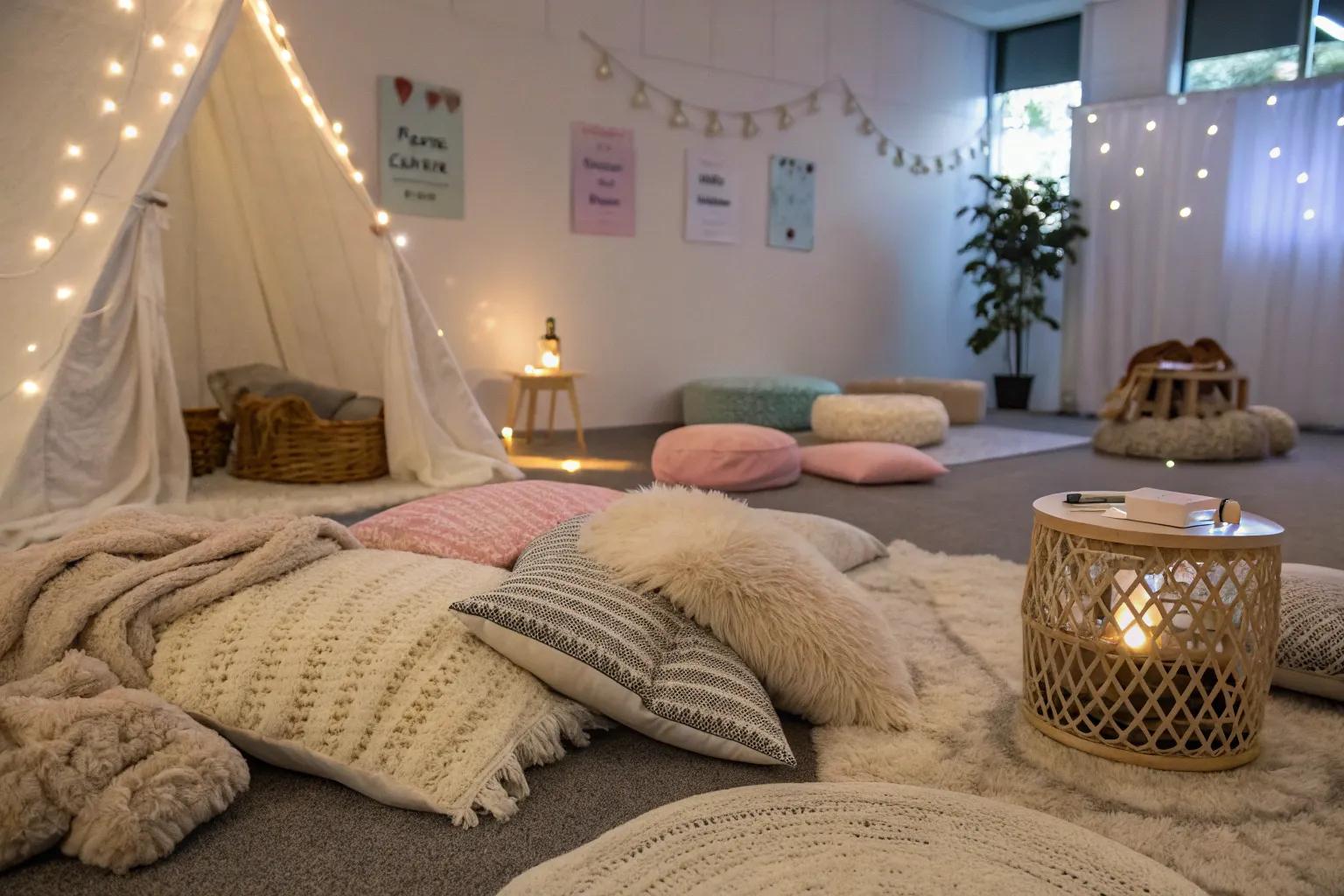
Creating a sensory room at home is like crafting a personalized sanctuary that sparks joy and tranquility. Whether for children or adults, these spaces can transform the everyday environment into a soothing retreat.
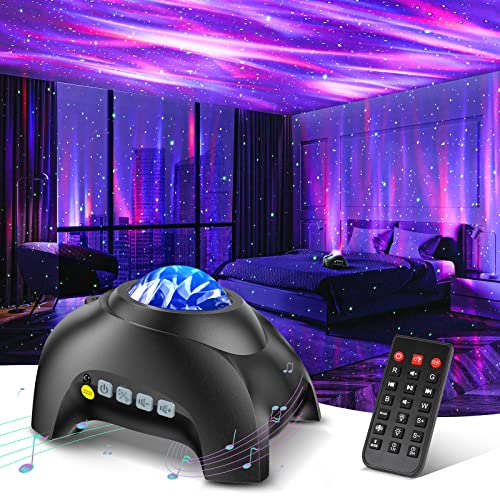
1. Projector Light Shows

Set up a projector to display calming visuals on the walls. In my experience, this adds a dynamic layer of visual interest that captivates the senses.
A few suggestions:





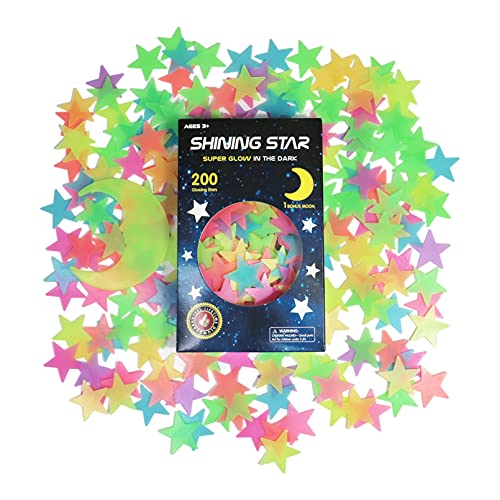
2. Glow-in-the-Dark Elements

Add glow-in-the-dark elements for a magical nighttime effect. I love how they transform the room into a dreamlike landscape.
These products might be useful:






3. Therapeutic Swings

Add a therapeutic swing for gentle movement and body awareness. I’ve seen how the rhythmic motion can soothe and center the mind.
A few helpful options:







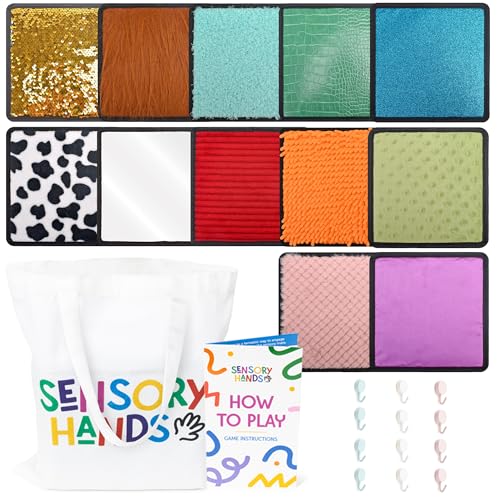
4. DIY Sensory Paths

Create a DIY sensory path with different textures for walking. These paths are fantastic for stimulating the senses and encouraging movement.
Possibly helpful picks:

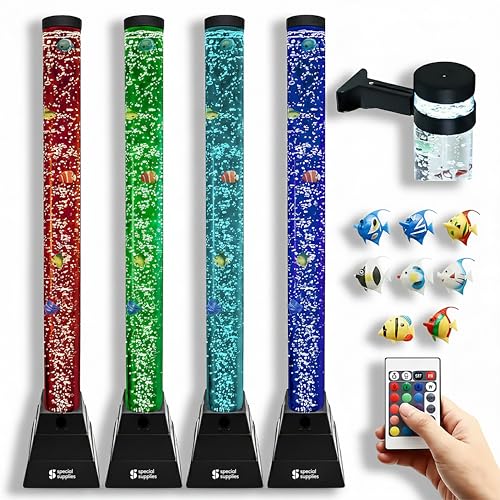
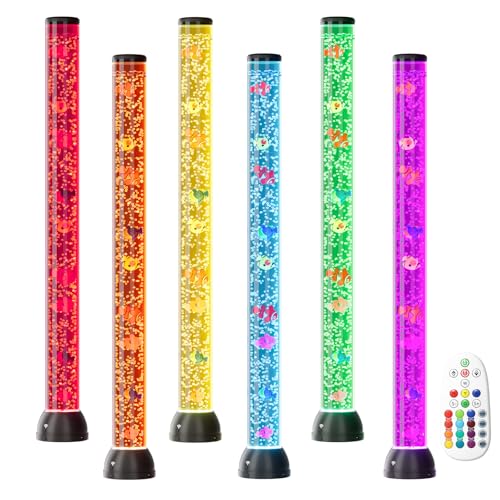
5. Engaging Bubble Tubes

Install bubble tubes to captivate with their visual displays. From my perspective, they add a mesmerizing focal point that draws you in.
A few relevant products:

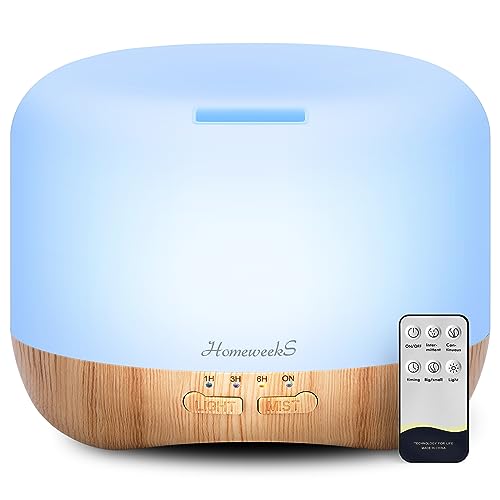
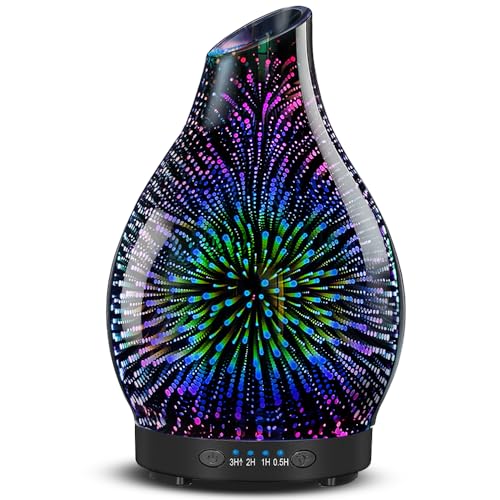
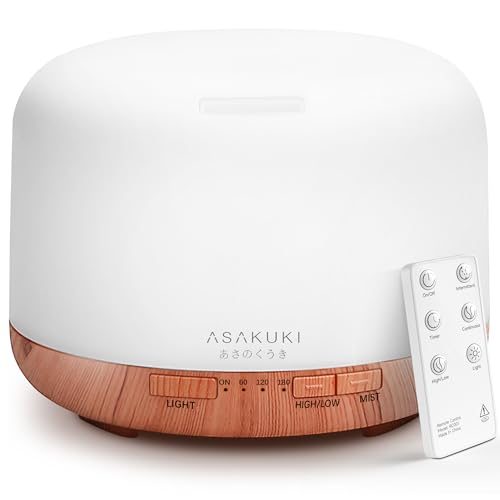
6. Essential Oil Diffusers

Use essential oil diffusers for aromatic enhancement. From my experience, scents like lavender can greatly enhance the room’s calming qualities.
You might like:




7. Privacy Nooks

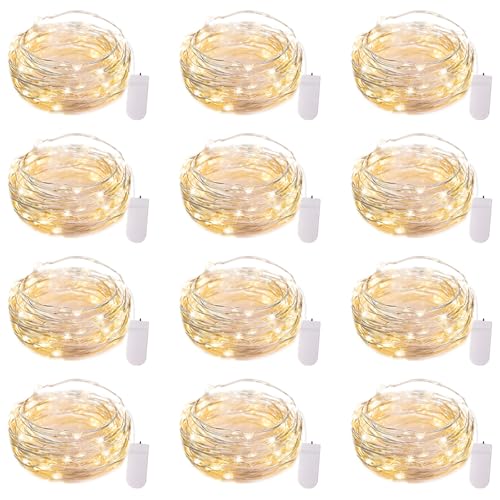
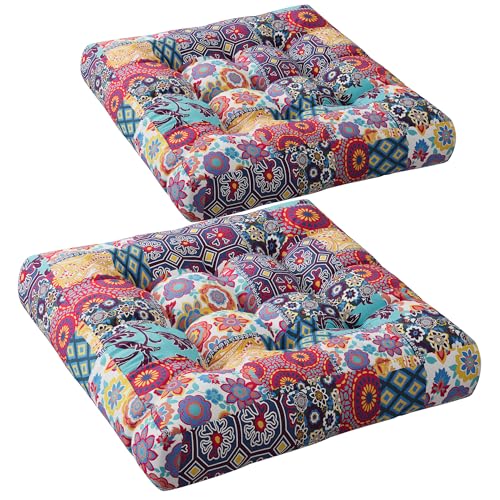
Create privacy nooks or tents for a cozy retreat within the room. I find these spaces perfect for a moment of solitude and reflection.
Check if these fit your needs:

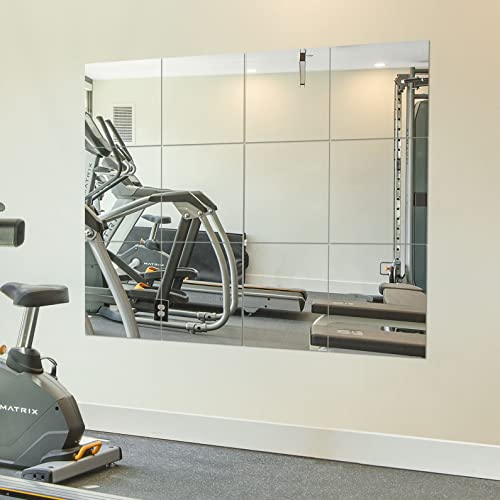
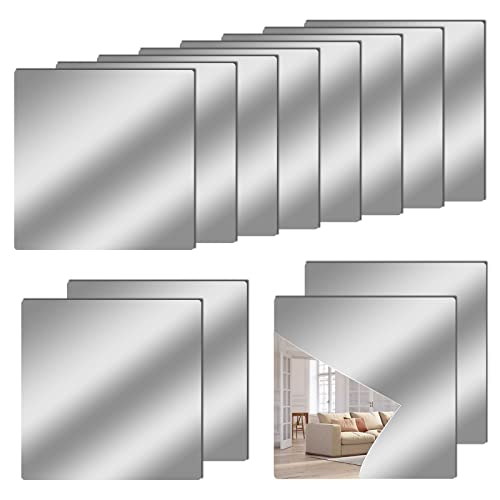
8. Mirror Tiles for Reflection

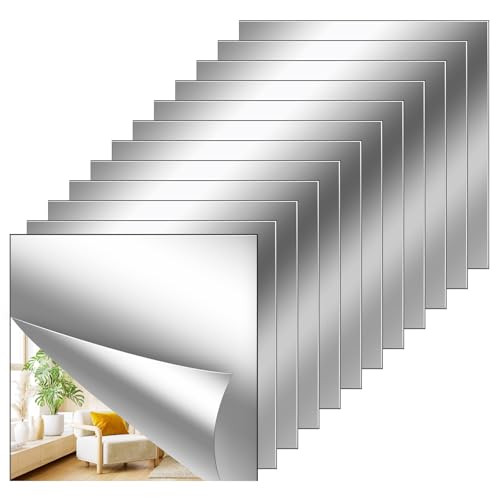
Incorporate mirror tiles to play with light and reflection. I find they can double the room’s sensory appeal with their clever optical effects.
Consider these options:
9. Fidget Toys

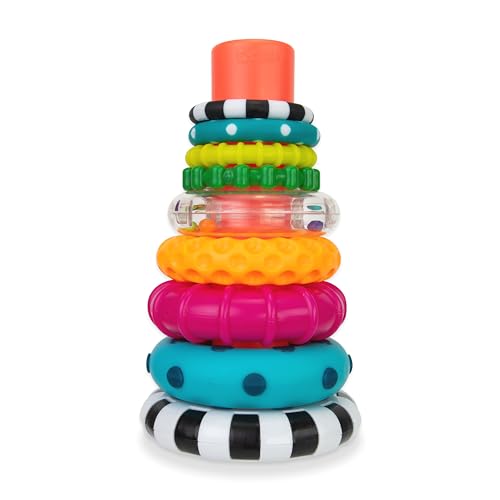
Stock the room with fidget toys to keep restless hands busy. They are a clever way to engage and calm the mind simultaneously.
Products that could assist:


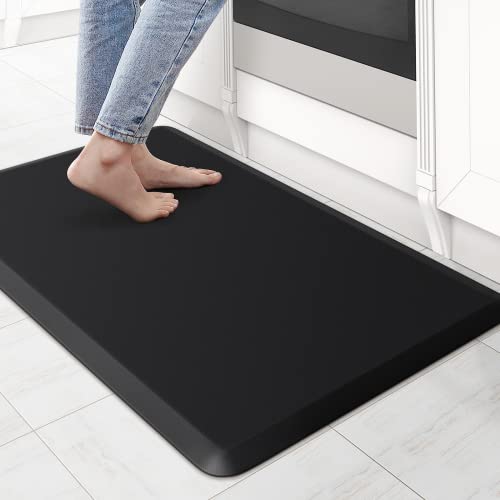
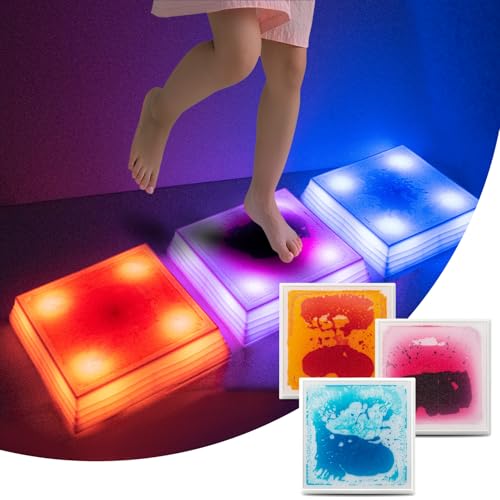
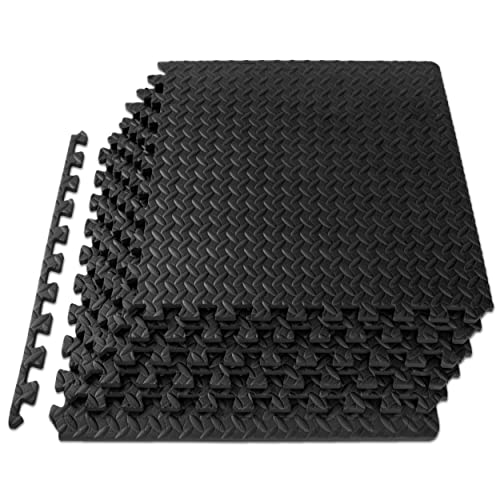
10. Tactile Flooring

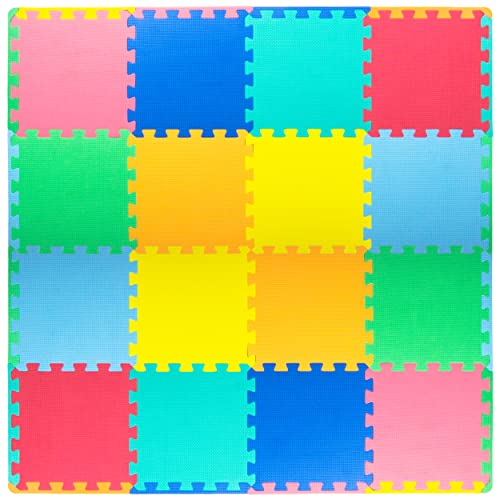
Consider tactile flooring with textured mats or interactive tiles for a unique sensory experience. Walking on these floors feels like a delightful game of hopscotch.
A few choices to try:
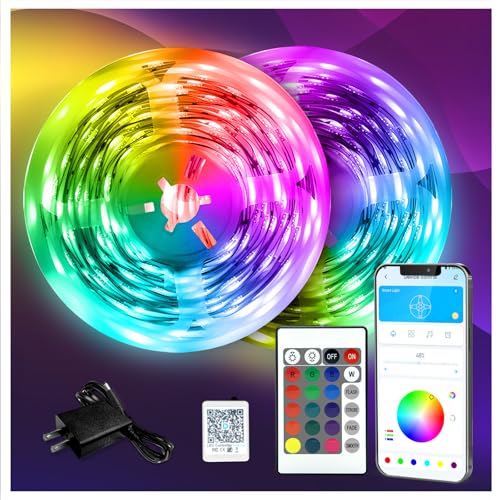
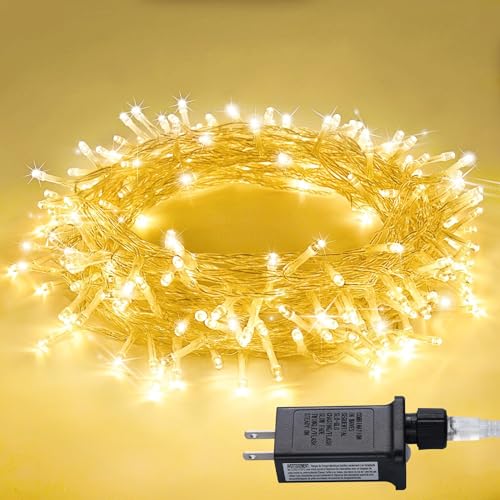
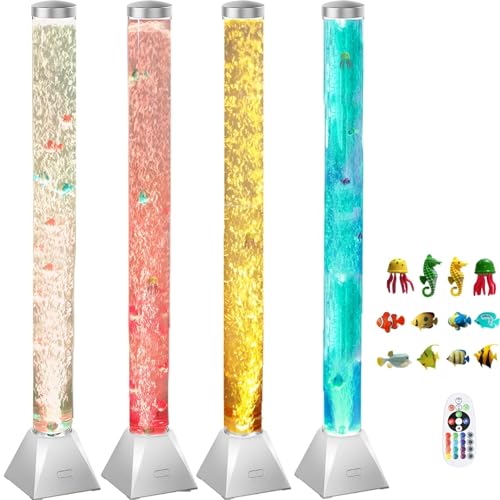
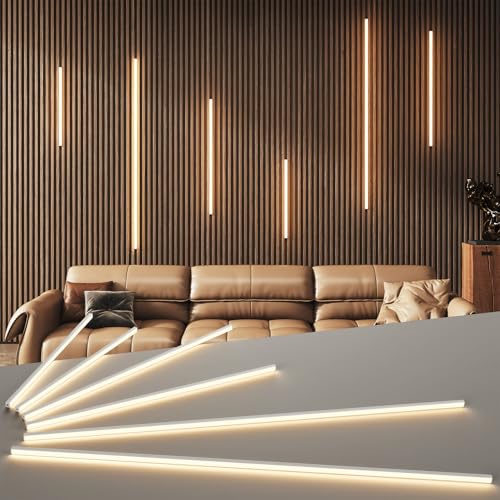
11. Soft and Cozy Lighting

Use soft lighting like fiber optics or bubble tubes to create a calming ambiance. In my designs, lighting is key to setting the mood and providing a sense of tranquility.
Some ideas to consider:

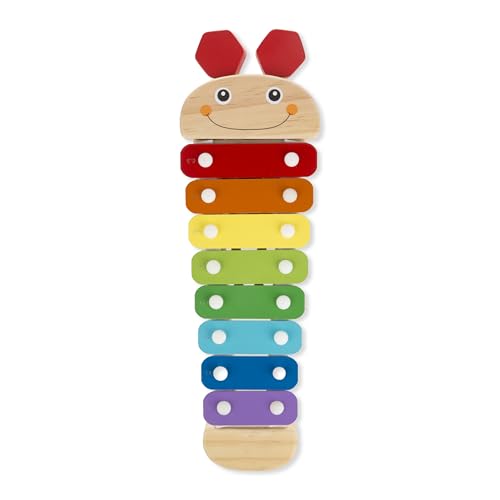
12. Calming Soundscapes

Incorporate calming sounds with musical instruments or sound machines. In my projects, sound is an essential layer that enriches the sensory experience.
These products might help:


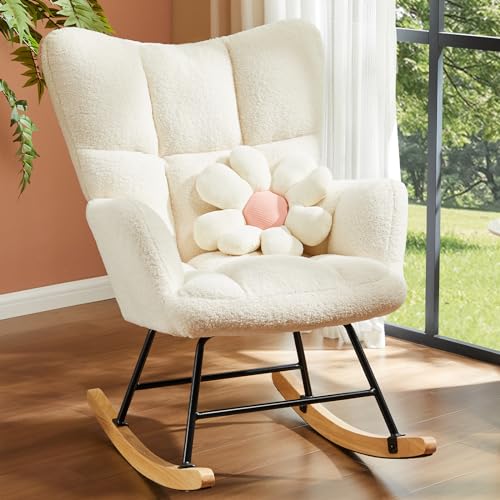
13. Rocking Chairs

Include rocking chairs for gentle motion and relaxation. They’re a timeless element in my designs, offering soothing rhythmic movement.
Some handy options:


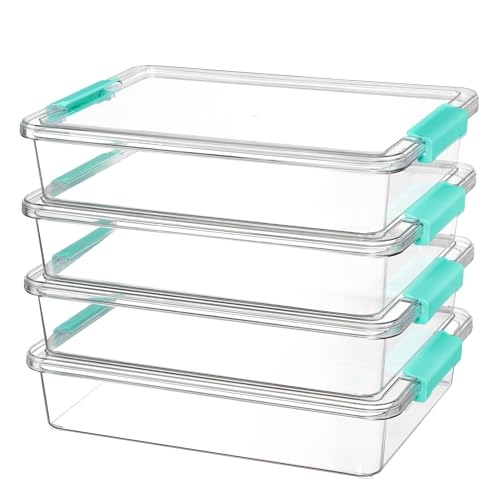
14. Sensory Bins

Introduce sensory bins filled with various textures for tactile exploration. They’re a hit in my designs, providing endless creative possibilities.
May just do the trick:


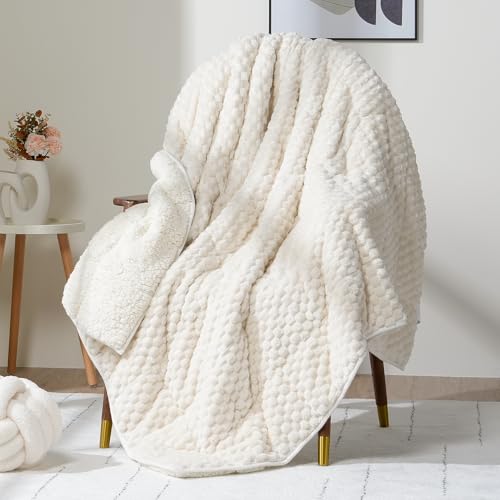
15. Weighted Blankets

Include weighted blankets for a comforting hug-like sensation. These have become a staple in my designs for their calming effects.
Useful items to consider:


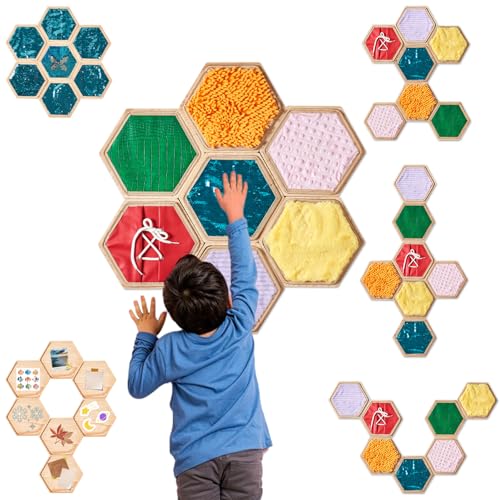
16. Interactive Sensory Walls

Install interactive panels on the walls to offer a tactile experience. I love how these panels invite touch and exploration, drawing you into the room’s playful energy.
Try these:

17. Vibrant Color Schemes

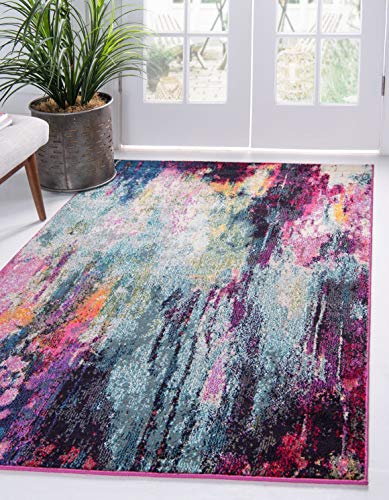
Introduce vibrant colors into your sensory room to stimulate visual interest and excitement. From personal experience, a splash of bold hues can energize a space, making it uniquely engaging.
You might give these a try:


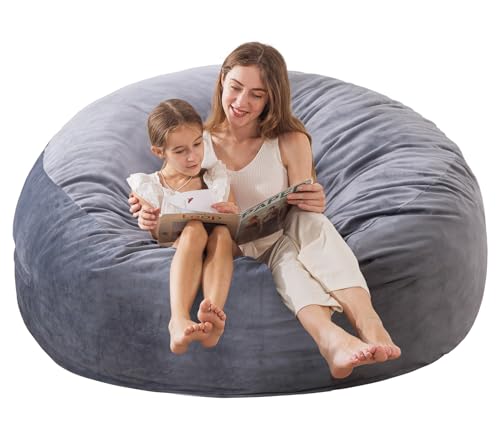
18. Comfortable Seating Options

Incorporate soft furnishings such as bean bags or cushioned mats for ultimate relaxation. Personally, I find these elements invite you to sink in and unwind.
Maybe worth checking out: